Pinterest Lens vs Google Lens vs Looksharp: which actually finds the clothes (2026)
Pinterest Lens, Google Lens, and Looksharp solve overlapping problems differently. We tested all three on the same five outfit screenshots — here is which one returned the actual clothes and which one returned a wall of visually similar mood-board clutter.
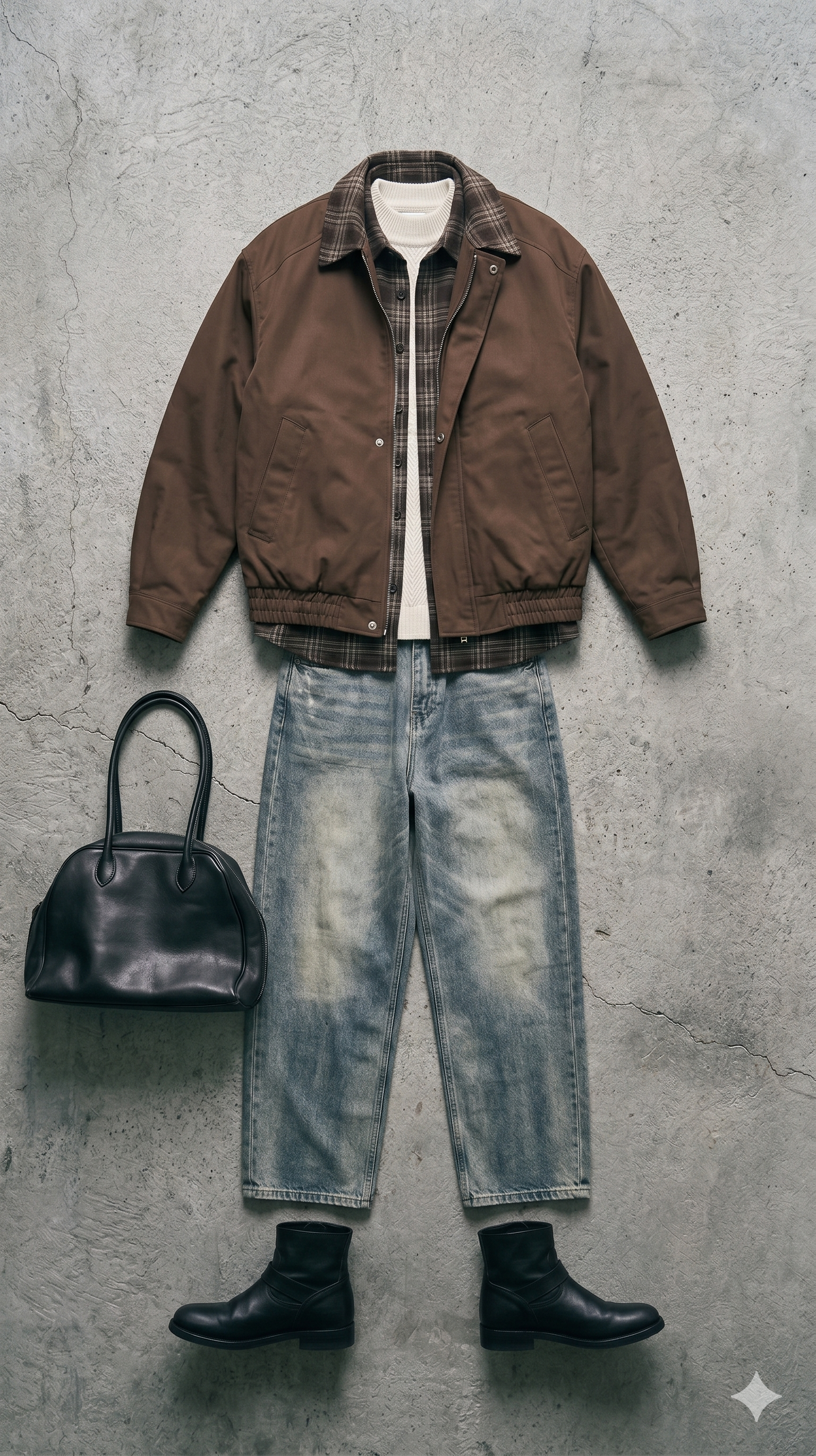
"Pinterest Lens vs Google Lens" is the most-asked question in the "how do I find this outfit" corner of the internet, and almost no one writes about it honestly because almost no one tests both on the same input. We did. Plus a third tool we own (Looksharp), included for transparency and because it solves a slightly different problem.
The test: five Pinterest screenshots, five different outfits, all run through the same three tools. The question: can you buy the clothes you just saw? Not "is the result visually similar." Not "is there inspiration here." Can you click and buy the actual garment.
What the three tools are trying to do (it is not the same)
Google Lens
Google Lens is a general-purpose visual search. It treats the photo as a single visual blob, runs it through Google's image index, and returns visually similar pictures. For products, it tries to match against Google Shopping's product graph. It was not designed for fashion specifically and treats outfits the way it treats every other multi-object photo.
Pinterest Lens
Pinterest Lens is reverse search inside Pinterest's pin ecosystem. The big difference: Pinterest can sometimes hotspot clickable products on a pin (when the original pinner tagged them or when Pinterest's automatic detection ran on it). Otherwise it returns visually similar pins, which are themselves images, not products.
Looksharp
Looksharp is built specifically for outfits. It does not try to match the whole image. It splits the outfit into individual garments — jacket, knit, trouser, shoe — and runs a separate search per piece, then validates each result against live retailer inventory. The output is a flat-laid receipt with brand, price, and live link per item, not a grid of similar photos.
The test setup
Five Pinterest screenshots:
- A chestnut bomber over a cream turtleneck, washed jeans, dark Chelsea boots
- A cream cable-knit fisherman jumper, oat wool trouser, brown loafer
- A black leather jacket, white tee, indigo selvedge denim, white court sneaker
- A sage Arc'teryx shell, black trail-runner, olive cargo trouser, beanie
- A vintage band tee, oversized cardigan, wide wool trouser, brown loafer (the Drake-2026 fit, basically)
Each screenshot was run through Pinterest Lens (in-app), Google Lens (Chrome > Search image with), and Looksharp (web upload). We graded each result on three axes:
- Decomposition — did the tool split the outfit into individual garments?
- Match quality — for each garment, was the surfaced result actually the same piece (or a close stand-in)?
- Buyability — could you click a result and add to cart in stock today?
Pinterest Lens: results
Decomposition: partial. On 1 of 5 screenshots, a clickable hotspot appeared over the dominant garment (the bomber in the first test). The hotspot opened a Pinterest product page with a list of "similar items." Two of those items were in stock; three linked to dead Shopify URLs. On the other 4 screenshots, no hotspots appeared and Pinterest returned only visually similar pins.
Match quality: when hotspots existed, decent. When they did not, useless — "visually similar pins" means more outfits, not more options of the actual jacket.
Buyability: 1 of 5 screenshots produced any buyable link, and that one was for the bomber only — none of the other pieces in any outfit could be bought.
Verdict on Pinterest Lens vs Google Lens for fashion: Pinterest Lens is better for inspiration (more outfits, more boards) but worse for buying. The hotspot system is unreliable because it depends on the original pinner having tagged products — which they almost never do.
Google Lens: results
Decomposition: none. Google Lens treats the photo as a single visual entity. You can manually crop the image down to one garment in the Lens UI before searching, but that requires you to know what you are doing and turns "one photo" into "five separate searches."
Match quality: for the dominant garment in each photo, Google Lens did surprisingly well — 4 out of 5 surfaced an actual product page from Google Shopping for the jacket / coat / leather jacket. Match accuracy was about 70% (close colour, close cut, sometimes a different brand at the same price tier). For layers, accessories, and bottoms, Google Lens did almost nothing — either returned visually similar photos or surfaced unrelated products that happened to share the dominant colour.
Buyability: Google Shopping links were live and in stock 4 of 5 times for the dominant garment. Zero of 5 times for secondary pieces.
Verdict: Google Lens is the strongest of the three if you only care about the single most prominent piece. It is useless if you want the full outfit.
Looksharp: results
Decomposition: consistent — each of the 5 screenshots was split into 4–7 distinct garments (jacket, knit, tee, trouser, shoe, accessories), each searched separately.
Match quality: for the top garment in each fit, comparable to Google Lens. For secondary garments — the layer underneath, the trouser, the shoe — substantially better, because the search runs per-piece against retailer inventory rather than treating the whole image as one query. Average match quality across all 5 outfits and all garments: ~75–80%.
Buyability: the validate stage drops any result that returns a 4xx, a parked domain, or a soft-404 retailer page. Final output is filtered to in-stock-as-of-search items only. Of the ~30 garments across 5 outfits, all 30 surfaced a live, buyable link.
Verdict: Looksharp is purpose-built for the "buy the whole outfit" case. It loses to Pinterest Lens on inspiration and pure browse-ability (Pinterest is a vastly bigger image graph) and is roughly tied with Google Lens on the single-garment question.
Pinterest Lens vs Google Lens vs Looksharp — at a glance
- Best for inspiration: Pinterest Lens (no contest — Pinterest is the biggest fashion mood board on the internet).
- Best for finding ONE specific item: Google Lens (especially if it is a well-known commercial product).
- Best for buying a full outfit: Looksharp (the decomposition + per-piece search + live-stock validation is the gap none of the others fill).
Why "reverse image search" was the wrong frame all along
The reason "Pinterest Lens vs Google Lens" is a frustrating comparison is that both tools answer the question what does this image look like. That is not the question most people are asking when they screenshot an outfit. The question is what are these clothes and where can I get them. Reverse image search is the wrong tool for that question because an outfit is not one image — it is five or six images of clothes that happen to share a frame.
The right tool is decomposition + per-piece search + live-stock validation, which is the workflow Looksharp is built around. That is not a marketing claim; it is what the test results above show and what the entire reason this category of tool exists is.
What to use, when
- You want to find more outfits like this one? Pinterest Lens. Save the new pins to a board.
- You want the one specific bag in the photo? Crop the photo to just the bag, then Google Lens. Higher hit rate than either of the others on a single object.
- You want to buy the whole outfit? Drop it into Looksharp. Or browse the fit library if you want a starting point that is already broken down.
Three tools. Three different jobs. The mistake is asking which is "best" — they are not in the same race.
Published 2026-05-09 by Looksharp editorial.
Topics: pinterest-lens · google-lens · reverse-image-search · comparison · tools